Is It Safe to Microwave in Plastic? What 2026 Research Actually Shows

Quick answer: "Microwave-safe" only means a container won't melt or warp — it says nothing about whether it releases microplastic particles. A March 2026 review of 24 peer-reviewed studies found that microwaving plastic containers can release anywhere from tens of thousands to over half a million microplastic particles in just a few minutes, and that number roughly quadruples compared to oven heating. The health effects of ingesting microplastics are still being studied and aren't fully settled, but the fix here is genuinely simple and free: switch to glass or ceramic before reheating.
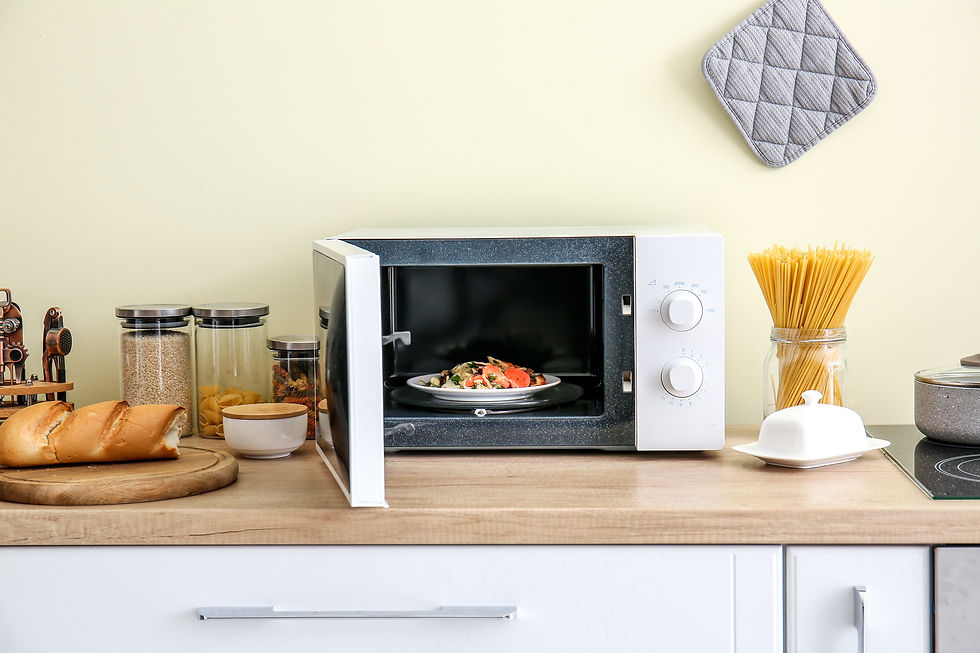
What "Microwave-Safe" Actually Means (And Doesn't)
This is the part that trips most people up. A "microwave-safe" label means a container passed testing for melting or warping under normal microwave use — that's it. It says nothing about whether the container sheds plastic particles into food while it's being heated, because the FDA doesn't currently test for that at all; its existing testing only covers chemical migration above specific safety thresholds, not microplastic release itself.
What the Research Actually Found
A March 2026 report from Greenpeace International reviewed 24 peer-reviewed studies on microplastic migration from food-contact plastics, and the findings were more concerning than most people would assume from a label that says "safe":
Polypropylene and polystyrene containers released between 100,000 and 260,000 microplastic particles when microwaved after being refrigerated or frozen.
In one experiment, two polypropylene containers released an estimated 326,000 to 534,000 microplastic particles after just five minutes in the microwave — 4 to 7 times more than the same containers released when heated in an oven.
Higher microwave power and longer heating times increased particle release, and old or visibly scratched containers released roughly twice as many particles as new ones.
Separate University of Nebraska-Lincoln research on baby food containers found even higher numbers under lab conditions — over 2 billion nanoplastics and 4 million microplastics per square centimeter of container in some tests.
How Much Does This Actually Matter?
It's worth being honest about what's settled here and what isn't. The particle release itself is well-documented and consistent across multiple independent studies. What's genuinely still being researched is the health impact of ingesting these particles at the levels found in normal use — there's currently no regulatory guidance specifically addressing microplastics from food-contact materials, and the European Food Safety Authority isn't expected to issue a formal opinion until the end of 2026.
That uncertainty cuts both ways: it means the alarm shouldn't be overstated, but it also means there's no established "safe" threshold to point to and say the risk is negligible. Given that the fix costs nothing beyond what you likely already own in your cabinet, it's a reasonable precaution to take regardless of where the research eventually lands.
The Simple, Free Fix: Switch to Glass
The most consistent recommendation across every source covering this topic is the same: transfer food to glass or ceramic before microwaving, rather than heating it directly in plastic.
Pyrex Simply Store — Best Overall The most consistently top-rated glass storage line across independent 2026 testing, made from genuine borosilicate glass that handles the swing from fridge to microwave without cracking, at a price that makes fully replacing a plastic container collection realistic.

Rubbermaid Brilliance Glass Storage — Best Airtight Seal The same leak-proof latching lid system from Rubbermaid's popular pantry line, in glass — a strong pick if you're transporting liquids like soup or sauce and need a seal that won't fail in a bag.

Anchor Hocking Glass Storage — Best Budget Pick A genuinely affordable way to start replacing daily-use plastic containers without a big upfront cost, still fully microwave, oven, and dishwasher safe.
A Few More Precautions
Avoid letting plastic wrap or takeout containers touch food directly in the microwave — transfer to a plate or glass container first instead.
Retire old, cloudy, or visibly scratched plastic containers, even for cold storage, since research shows wear increases particle release regardless of temperature.
This pairs naturally with a broader plastic-reduction approach — see our eco-friendly kitchen swaps guide for more on reducing single-use and worn plastic in the kitchen generally.
FAQ
Is it actually safe to microwave in plastic containers? Current research suggests it's a meaningful source of avoidable microplastic exposure — studies have found containers can release hundreds of thousands of particles in just a few minutes of microwaving. The long-term health effects are still being studied, but the exposure itself is well-documented.
Does "microwave-safe" mean a container won't release microplastics? No. "Microwave-safe" only certifies that a container won't melt or warp under normal use. It doesn't address microplastic release at all, since that isn't part of current FDA testing requirements for food-contact plastics.
Are glass containers really safer for microwaving? Yes. Glass doesn't shed plastic particles under heat the way plastic containers can, which is why it's the consistent recommendation across research on this topic for anyone looking to reduce this specific exposure.
Does scratched or old plastic release more microplastics? Yes. Research reviewed in the 2026 Greenpeace report found that old or visibly scratched containers released roughly twice as many microplastic particles as new ones under the same conditions.
The Bottom Line
"Microwave-safe" is a lower bar than most people assume — it means a container won't melt, not that it's free of particle release. The research on this has moved fast in the last couple of years, and while the full health picture isn't settled yet, switching to glass for reheating is a free, simple change that sidesteps the question entirely.


