How to Season and Care for Cast Iron (So It Actually Lasts a Lifetime)

If you picked up a cast iron skillet after reading our eco-friendly kitchen swaps guide — or you've had one in the cabinet for years and it's never quite worked right — this is the part that actually determines whether it lasts one year or fifty.
Quick answer: Cast iron seasoning is just a thin layer of oil baked on until it polymerizes into a hard, naturally non-stick coating. You maintain it by cleaning with hot water and a chainmail scrubber (mild soap is genuinely fine, despite the myth), drying immediately to prevent rust, and occasionally rubbing on a very thin layer of oil. Most cast iron problems come down to too much oil applied at once, not too little care.
Quick picks if you're short on time:
Pick | Best For | Typical Price* |
Best cast iron scrubber | $15–$20 | |
Best seasoning product | $10–$15 | |
Best complete kit | $30–$40 |

What Is Cast Iron Seasoning, Really?
Seasoning is simply oil that's been baked onto the pan at high heat until it polymerizes — chemically transforms into a hard, plastic-like layer bonded to the iron. That layer is what makes cast iron naturally non-stick, and it builds up and improves with use over time rather than wearing out the way a nonstick coating does.
The biggest myth to clear up first: you can absolutely use a little mild dish soap on cast iron. Modern dish soap doesn't strip polymerized seasoning the way old-fashioned lye-based soap once did. What actually damages seasoning is soaking the pan for a long time, scrubbing with steel wool, or leaving it wet — not a quick wash with a normal amount of soap.
How to Season a Cast Iron Pan, Step by Step
Clean the pan thoroughly and dry it completely — even a small amount of leftover moisture can cause rust spots under the new seasoning layer.
Apply a very thin layer of oil to the entire pan, inside and out, including the handle.
Wipe off almost all of it. This is the step nearly everyone skips, and it's the actual cause of a sticky, gummy pan — the goal is a layer so thin it looks almost dry.
Place the pan upside down in a hot oven (around 450–500°F) for about an hour, with foil or a baking sheet underneath to catch drips.
Let it cool in the oven before handling, and repeat 2–3 times for a brand-new or freshly stripped pan.
How to Clean Cast Iron Without Ruining the Seasoning
Right after cooking, while the pan is still warm, rinse it with hot water and scrub with a chainmail scrubber or stiff brush to remove stuck-on food. A small amount of mild soap is fine for a genuinely greasy pan. Dry it immediately and thoroughly — a quick pass over low heat on the stove works well — then rub on the thinnest possible layer of oil before storing.
The Tools That Make Cast Iron Care Effortless
Best Chainmail Scrubbers for Cleaning Cast Iron
The Ringer Chainmail Scrubber — Best Overall. The original patented chainmail scrubber design and still one of the most trusted names in cast iron care — tough enough on stuck-on food to skip soap most of the time, without touching the seasoning underneath.
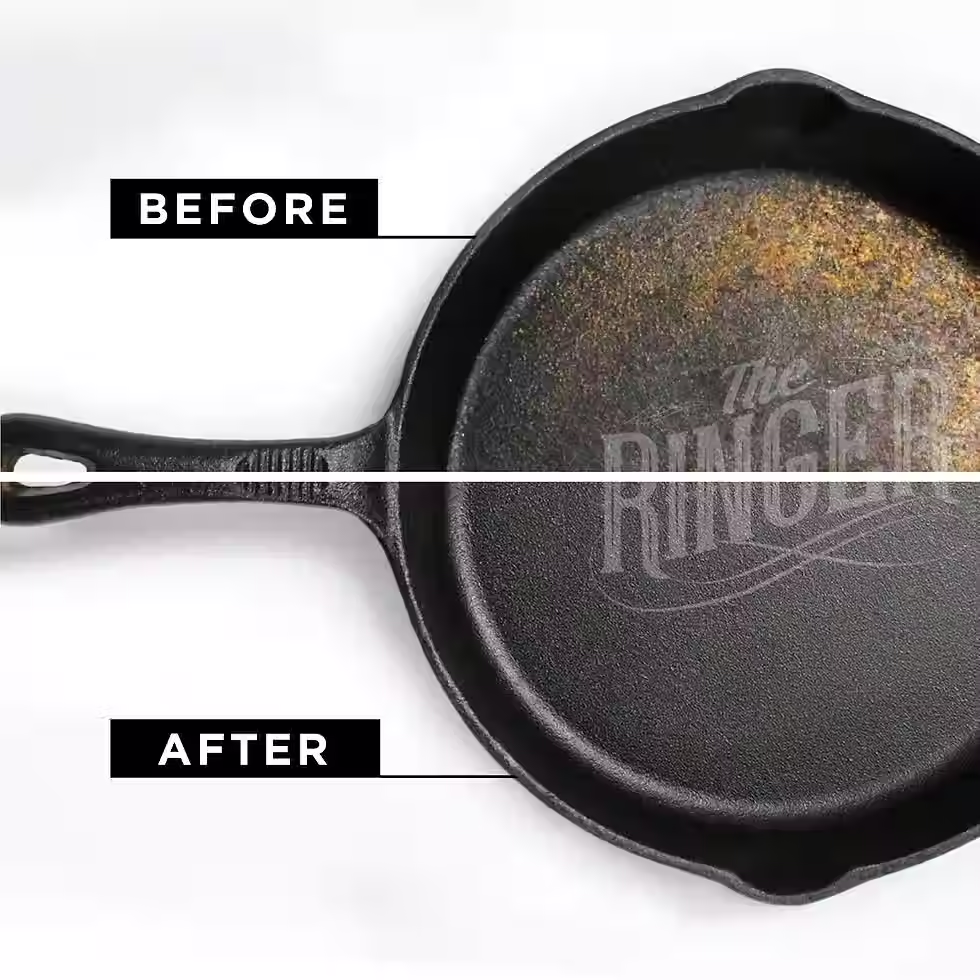
Herda 316L Chainmail Scrubber — Best Value: A top pick in recent independent testing across dozens of scrubbers, with small, tightly linked rings that reach into texture and imperfections other scrubbers miss, plus a bonus seasoning cloth included.

Field Company Cast Iron Care Kit — Best Complete Kit: A scrubber, natural fiber brush, and seasoning oil bundled together from a well-regarded premium cast iron brand — a smart one-purchase way to cover cleaning and seasoning at once.

Best Cast Iron Seasoning Products
Crisbee Stik Seasoning Wax — Best Overall. A genuine cult favorite in cast iron communities, and for a simple reason: the solid stick format applies a thin, controlled layer with zero mess, solving the single most common seasoning mistake of using too much oil.

Lodge Seasoning Spray — Best for Quick Touch-Ups: A fast, no-mess way to add a light layer of oil after a regular wash — best suited to routine maintenance rather than a full seasoning session, where more even coverage matters more.

Grapeseed Oil — Best Budget, All-Around Pick. No special cast-iron branding required — grapeseed oil polymerizes quickly, has a high smoke point, and creates a genuinely hard seasoning layer, making it the most-recommended all-purpose oil for home seasoning.

A Few More Things That Help
A stiff-bristle pan brush — a good complement to a chainmail scrubber for pans with more delicate, newer seasoning.
A pan scraper — handles stubborn stuck-on bits without needing to scrub hard enough to risk the seasoning.
The pan itself matters, too — see our eco-friendly kitchen swaps guide for our cast iron skillet pick if you're starting from scratch.
FAQ
Can you use soap on cast iron? Yes. A small amount of mild dish soap doesn't strip modern polymerized seasoning. What actually damages it is soaking the pan for a long time, scrubbing with steel wool, or leaving it wet, not a normal quick wash with soap.
Why does my cast iron pan feel sticky after seasoning? Almost always too much oil applied before baking. The goal is a layer so thin it looks nearly dry before it goes in the oven; a thick layer never fully polymerizes and stays tacky instead of hardening.
How often should I season a cast iron pan? For regular use, a thin wipe of oil after each wash maintains the seasoning indefinitely. A full seasoning session in the oven is really only needed for a new pan, after stripping rust, or if the surface looks dull and dry rather than smooth and slightly glossy.
Can you fix rusted cast iron? Yes, in most cases. Scrub off the rust with steel wool or a stiff scrubber down to bare metal, then re-season from scratch with several coats. Surface rust doesn't ruin a pan — it just means starting the seasoning process over.
The Bottom Line
Cast iron care isn't fragile or complicated — most of the fear around it comes from outdated advice, especially the soap myth. Clean it, dry it fully, keep the oil layer thin, and a good cast iron pan will genuinely outlast almost anything else in the kitchen.


