Easy-to-Follow Tips for Cooking Beginners

Updated: 3 days ago
Quick answer: Learning to cook comes down to fewer things than it feels like: a handful of reliable tools, starting with genuinely simple recipes, learning to season as you go rather than guessing all at once, and practice. Most of the frustration beginners run into traces back to fighting bad tools, not a lack of skill.
Why Learning to Cook Is Worth It
Cooking at home saves real money over eating out, puts you in control of what actually goes into your food, and turns into a genuine hands-on skill rather than something you have to think hard about every time. It's also just a good way to spend time with people — there's a reason so many gatherings end up happening in the kitchen.

How to Get Started Cooking
Gather a few basic tools first — a decent knife, a cutting board, a reliable pan, and a way to measure accurately cover almost everything a beginner recipe asks for.
Choose a simple recipe to start. Fewer steps and fewer ingredients means fewer places for something to go wrong while you're still learning.
Read the whole recipe before you start cooking. This single habit prevents more mistakes than any other tip on this list — surprises mid-recipe are almost always avoidable.
Prep your ingredients before you turn on the heat. Chopping, measuring, and organizing everything first (what chefs call mise en place) keeps you from scrambling once the pan is hot.
Taste as you go, and adjust seasoning before you call it done rather than after.
How to Season Food Properly
Salt and pepper are the baseline, but a few other habits make a bigger difference than people expect:
Add acid — a squeeze of lemon, lime, or a splash of vinegar brightens a dish and balances richness more effectively than more salt usually does.
Layer herbs and spices rather than dumping them all in at once — a little goes further than it looks like it will.
Finish with good olive oil for both flavor and a bit of richness right at the end.
Try different salts — a flaky sea salt or Himalayan pink salt used as a finishing touch tastes noticeably different from table salt stirred in early.
Tips for Cooking Simple Meals Without the Overwhelm
Start with recipes that have fewer steps. Build confidence before taking on anything with a long ingredient list.
Use quality ingredients. Fresh produce and decent spices do more for flavor than technique alone, especially early on.
Prep everything before you start cooking. It's the single biggest difference between a calm cooking session and a stressful one.
Be patient with yourself. Every beginner's first few meals are a little rough — that's normal, not a sign you're bad at this.
Ask for help when you're stuck. A quick question to someone more experienced saves far more time than guessing.
The Tools That Make Learning to Cook Easier
Fighting a dull knife or a pan that sticks to everything makes cooking feel harder than it actually is. A few reliable basics fix that fast. Every pick below is currently rated 4.5 stars or higher on Amazon.
Best Beginner Cookware Sets
T-Fal Signature Nonstick 12-Piece Set — Best Value Rated 4.7 stars, and genuinely enough pieces to cover everything a beginner needs without unused extras — reliable nonstick performance that forgives the occasional overcooked egg while you're still learning heat control.

T-Fal Ultimate Hard Anodized 17-Piece Set — Best for Durability Rated 4.7 stars across more than 34,000 reviews, making it one of the most validated beginner cookware sets available — worth the step up if you want something that holds up to years of daily use rather than a couple of them.
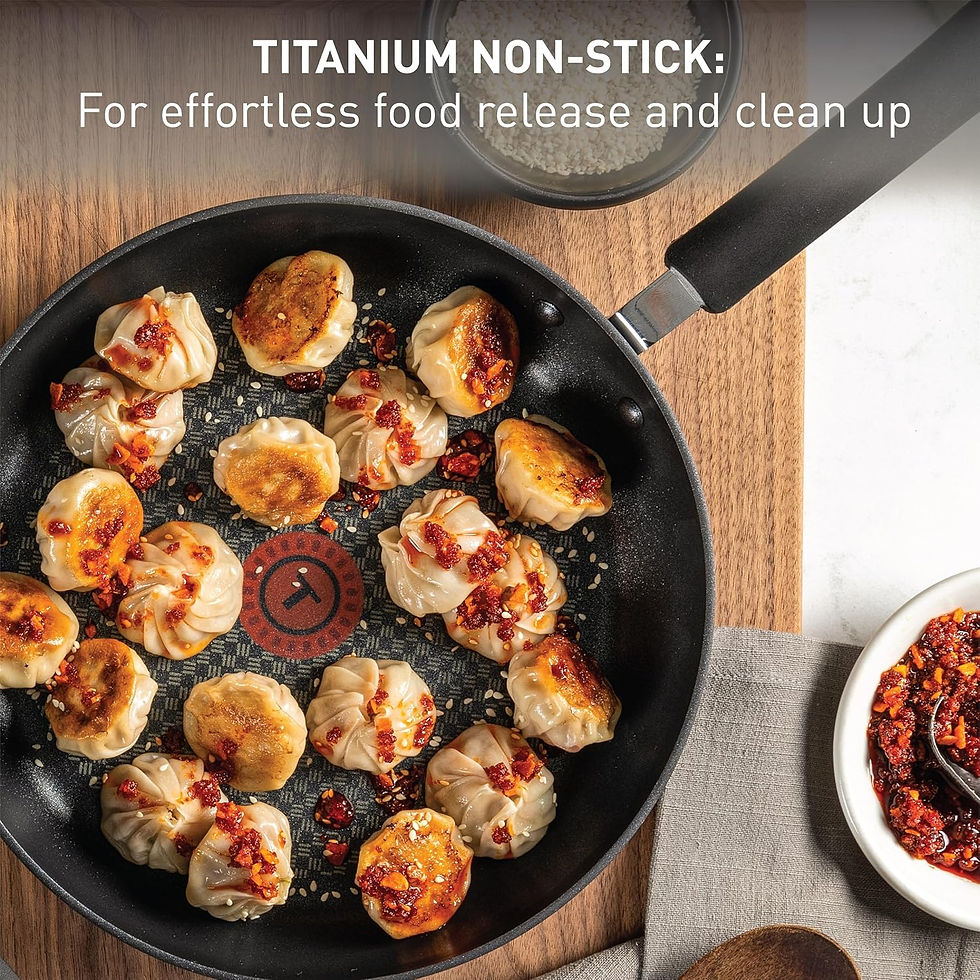
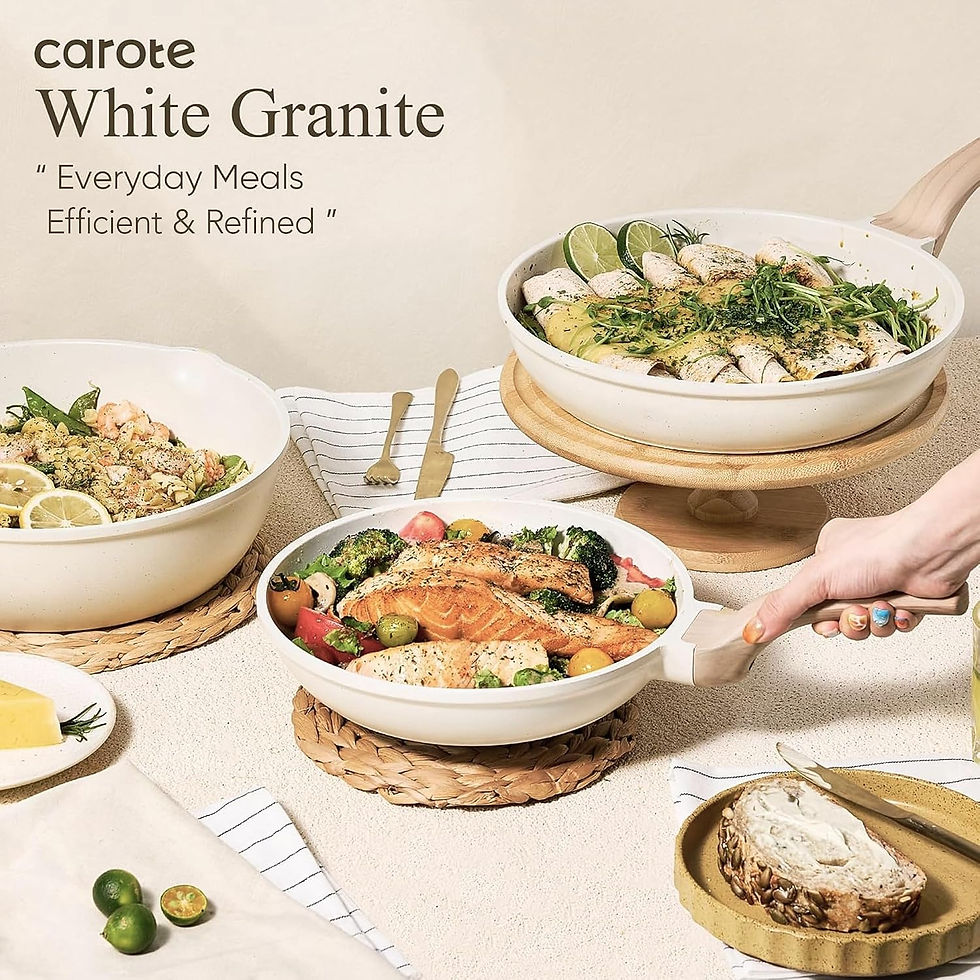
CAROTE 21-Piece Granite Nonstick Induction Set — Best Lightweight Pick Rated 4.5 stars across more than 27,000 reviews, with a noticeably lighter feel in hand than traditional cookware — easier to manage while you're still building confidence with flipping and tossing.
Best Tools for Learning to Cook
Victorinox Fibrox Pro 8" Chef's Knife — Best Starter Knife Consistently rated 4.7 stars and higher across tens of thousands of reviews, and the single most recommended first "real" knife by professional and home cooks alike — a genuinely hard pick to go wrong with.

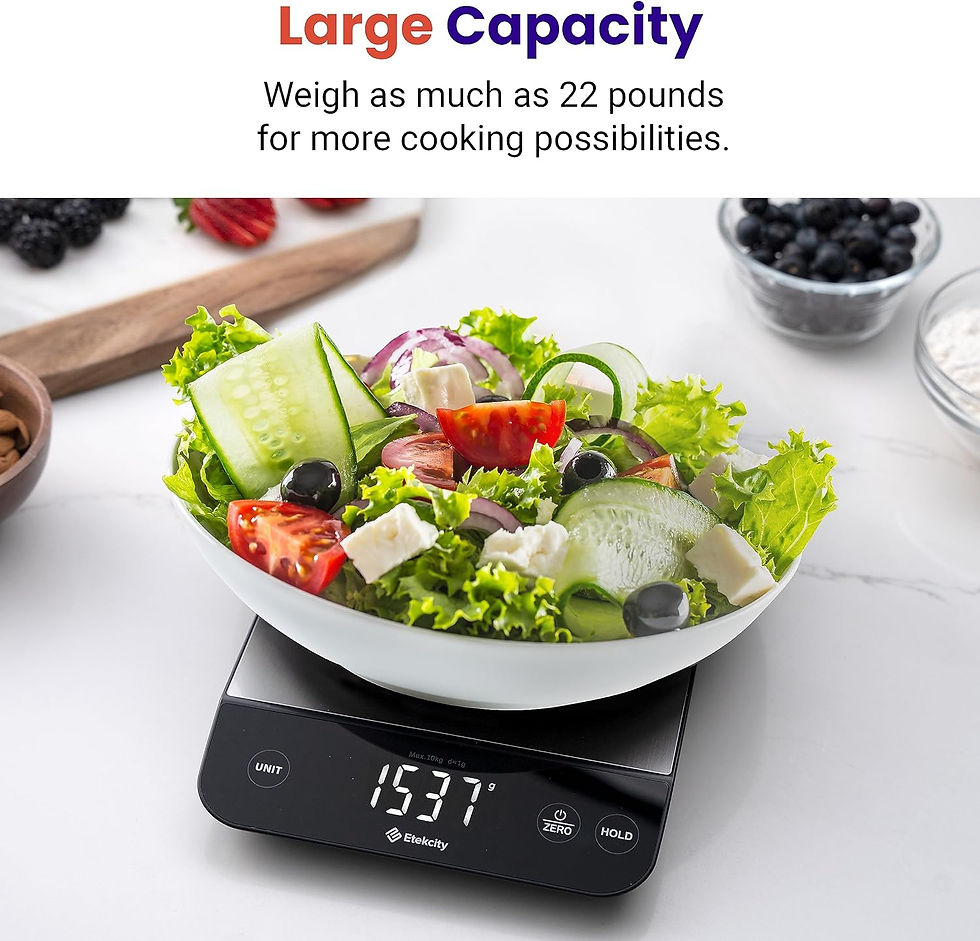
Etekcity Digital Kitchen Food Scale — Best for Accurate Measuring Rated 4.6 stars across more than 170,000 reviews — weighing ingredients, rather than eyeballing cups and spoons, is one of the fastest ways to get consistent results as a beginner.
For more on choosing the right cutting board to go with your new knife, see our cutting board guide.
FAQ
What kitchen tools does a beginner cook actually need? A reliable chef's knife, a cutting board, a good nonstick pan, and an accurate way to measure, like a kitchen scale, cover the vast majority of beginner recipes. Specialty tools are worth adding later, once you know what you actually reach for.
How do I season food if I'm not sure what it needs? Start with salt and taste as you go. If a dish tastes flat, acid (lemon, lime, or vinegar) is often the missing piece rather than more salt. If it tastes one-note, herbs or spices added gradually, not all at once, usually round it out.
What's the easiest way to start learning to cook? Pick a simple recipe with few ingredients and steps, read it fully before starting, and prep everything before turning on the heat. Those three habits prevent most of the mistakes that make beginner cooking feel chaotic.
Why does my food taste bland even when I follow the recipe? Recipes often under-season on purpose, assuming you'll taste and adjust at the end. Tasting as you go and finishing with a bit of acid or a good salt is usually what closes the gap between "followed the recipe" and "tastes good."
The Bottom Line
Cooking is a skill, not a talent — it gets easier with the same repetition as anything else. Start with simple recipes, a few reliable tools that don't fight you, and the habit of tasting as you go, and the learning curve is a lot shorter than it feels like at the start.


